Locations Give New York Laser Vision a phone call at (718) 395-5338 Book Now

Table of Contents

What is PRK Vision Correction?

Photorefractive keratectomy, also known as PRK, is a type of eye surgery used to correct a wide variety of vision limitations. Individuals suffering from nearsightedness (myopia), farsightedness (hyperopia), or astigmatism may see a significant improvement in their vision after having this type of eye surgery.

As one of the first types of laser eye surgery developed, it has been in use much longer than the more popular LASIK procedure, offering several key benefits.

What Happens During the PRK Eye Surgery Procedure?

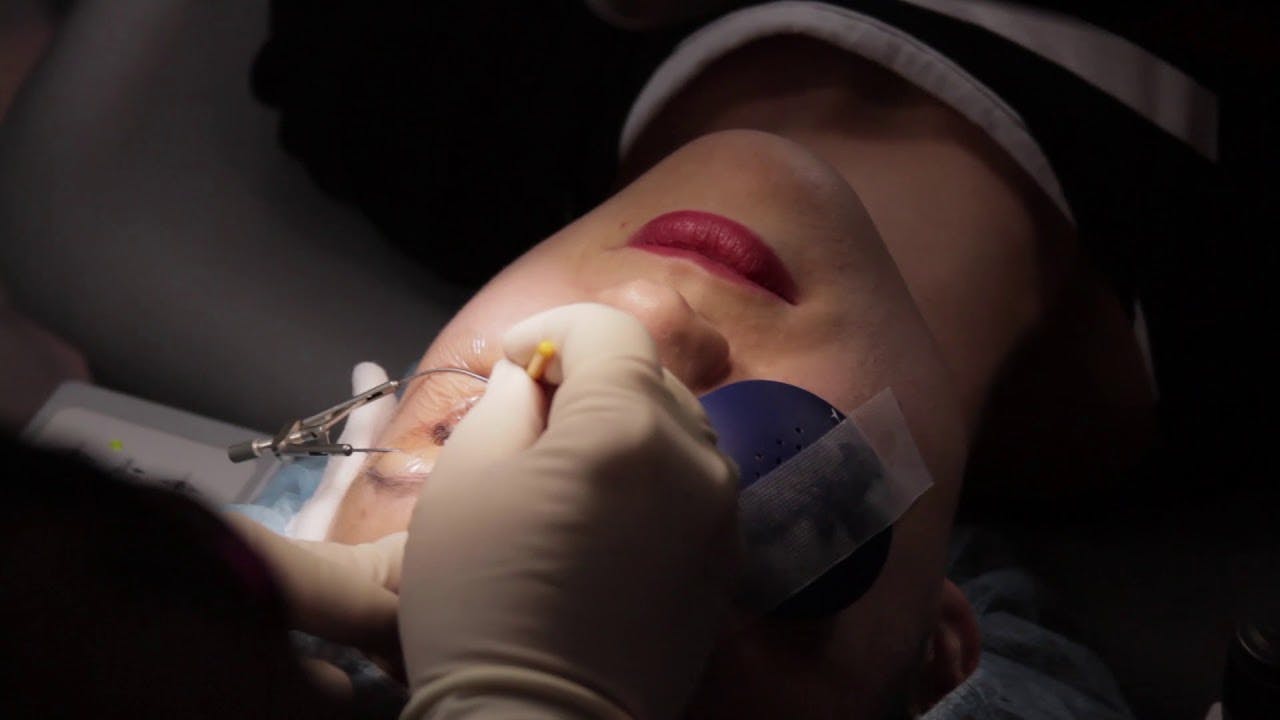
PRK eye surgery involves reshaping the cornea using a laser. The reshaping process helps properly focus light entering the eye onto the retina, which improves and clarifies your vision. When you undergo PRK vision correction in Brooklyn at New York Laser Vision, your eye doctor will remove and discard the thin, outer layer of the cornea, before working to correct its shape. The outer layer, called the epithelium, grows back on its own over time.

video thumbnail

Schedule a Consultation

Contact Us

What Can I Expect During PRK Eye Surgery?

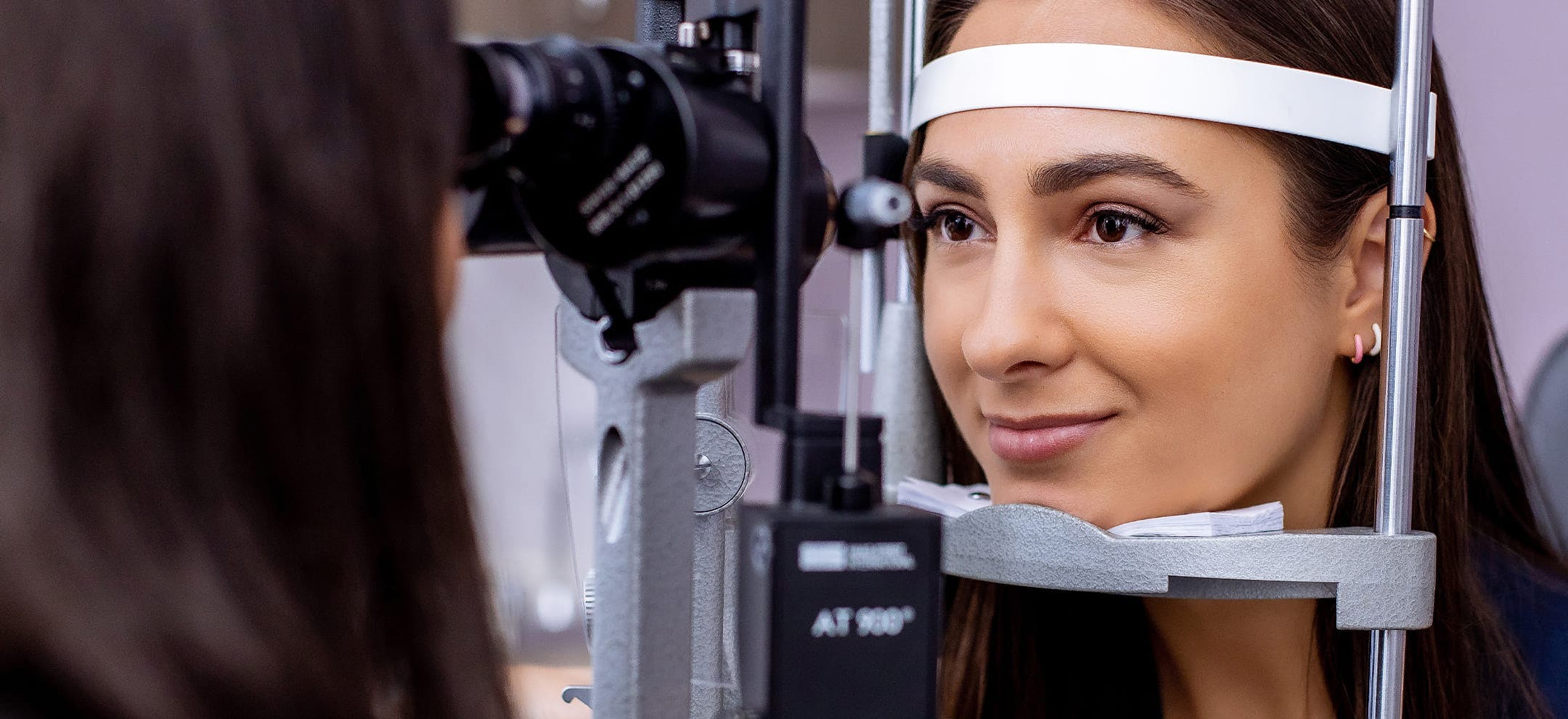
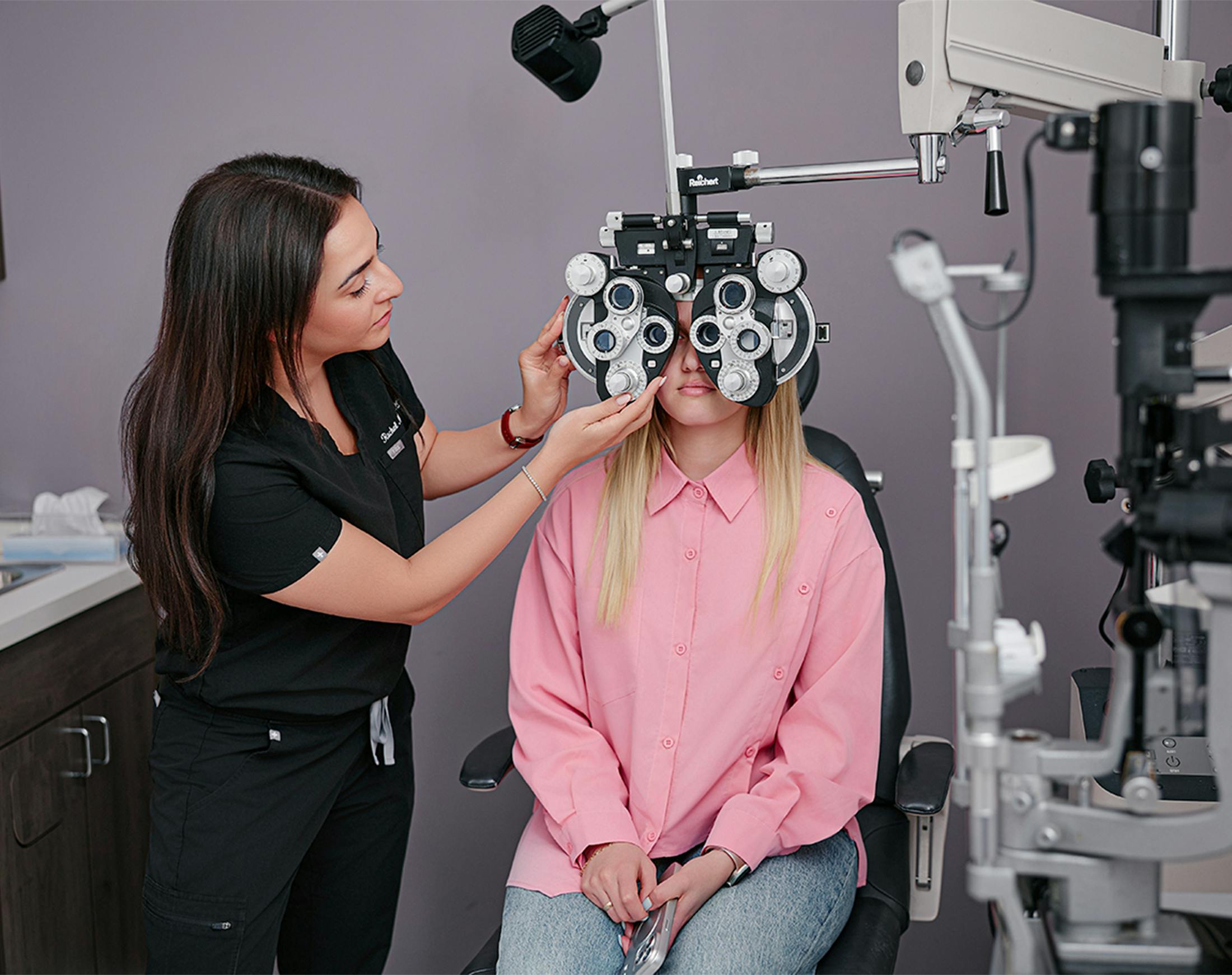
Before the procedure, your eye surgeon will carefully examine your eyes to ensure you are healthy enough for surgery and will benefit from it. You will undergo a process called corneal mapping, to measure the contours of your, which will allow the surgeon to create a plan to follow during the procedure.

PRK eye surgery is generally an outpatient procedure. In most cases, it takes less than 20 minutes to complete. You are not put to sleep for this procedure, but you will be sedated and comfortable, with a numbing agent used to ensure that you feel no pain.  We’ll ask you to look at a specific light for a few minutes while we look at your eyes under a microscope.

You’ll notice the surgeon’s use of the laser, but you will not feel it. The laser directs pulses of light toward your eye; each pulse changes the shape of your cornea by removing a very small amount of tissue. Your surgeon is completely in control of the process.


Banner media
woman smiling

What Can I Expect During My Recovery from PRK Eye Surgery?

We’ll have you relax in our office for a bit before you leave, and will provide you with anti-inflammatory medications and pain medications as needed. Someone else will need to drive you home, where you can expect to recover for a few days; most people feel back to normal within a couple of weeks. It can take some time for your vision to be completely restored and improved.

If you are considering PRK eye surgery in Brooklyn, the first step is to come in for a consultation. We’ll discuss the procedure, how you might benefit from it, and what we believe the likely outcome would be for you. Many people find PRK eye surgery to be ideal for improving their vision.

PRK FAQ

Who is a good candidate for PRK?

The FDA advises that no lasers are approved for patients under 18. It also warns that a prescription that changed within the past year signals refractive instability. According to the Cleveland Clinic, PRK is often the better choice for people with dry eyes, thin corneas, or a very active lifestyle. Your candidacy is confirmed with corneal imaging during your consultation.

Is PRK a better choice than LASIK for active lifestyles?

For many active patients, PRK is the safer long-term option. PRK does not create a corneal flap, which can shift during strenuous activity. The FDA specifically flags boxing, wrestling, and martial arts as concerns for flap-based refractive surgery. The FDA also notes that some employers and military branches restrict certain procedures.

Does PRK hurt during recovery?

The procedure itself is painless, but the first few days of recovery are the most uncomfortable. Kaiser Permanente's patient guide notes that the eye may hurt, burn, or itch for three or four days after surgery, along with blurry vision and watering. Your doctor will recommend or prescribe pain medicine, and rest helps most patients stay comfortable.

What is the bandage contact lens placed after PRK?

A bandage contact lens is a soft, clear lens with no prescription. Your surgeon places it over the eye right after PRK to protect the healing cornea; the surface layer of the cornea typically regrows in about 3 to 4 days. The lens is usually removed by your doctor two to four days after surgery.

How long does it take for vision to stabilize after PRK?

Vision after PRK improves gradually. Cleveland Clinic reports that about 80% of patients see improved vision one month after surgery and 95% after three months. Kaiser Permanente notes that some people need three to six months to reach their sharpest vision.

What eye drops will I use after PRK?

Your doctor will prescribe drops to prevent infection and to ease dryness, which also help prevent corneal haze.

What are the risks of PRK?

PRK has a strong safety record, but as with any surgery, there are risks. These include temporary glare or halos, dry eye, undercorrection or overcorrection, infection, and corneal haze. Light sensitivity and halos commonly last one to three weeks, and the eye may feel dry for one to three months.

When can I return to work and drive after PRK?

Most patients can return to work or their normal routine within about three to seven days. Someone will need to drive you home after the procedure, as driving can resume only once your eye doctor confirms your vision is safe. Your NY Laser Vision surgeon will give you specific timelines for exercise and swimming.

Are PRK results permanent?

PRK permanently reshapes the cornea to correct your current prescription, but it does not stop the eye from aging. The National Eye Institute notes that everyone develops presbyopia with age, usually after 45, making close-up vision harder. Most PRK patients will eventually need reading glasses, so we will explain your long-term outlook during your consultation.

Does insurance cover PRK?

PRK is considered an elective procedure. The FDA notes that most medical insurance plans will not cover refractive surgery. Your exact cost depends on your prescription and treatment plan, and you will receive a quote during your consultation. You can review payment options on the Financing & Insurance page.

For Special Events & Helpful Tips Sign Up for Our Newsletter Today

Get news from New York Laser Vision & Aesthetics in your inbox.

This field is required.
Sign Up

This site is protected by reCAPTCHA and the Google Privacy Policy(opens in a new tab) and Terms of Service(opens in a new tab) apply.

Schedule a Consultation

We are reliable. We have been here a long time. And we will support you every step of the way.

Contact Us
Contact us media
Accessibility: If you are vision-impaired or have some other impairment covered by the Americans with Disabilities Act or a similar law, and you wish to discuss potential accommodations related to using this website, please contact our Accessibility Manager at (718) 676-6464.
Trusted New York ophthalmologists delivering cutting-edge eye care with precision and compassion. NY Laser Vision specializes in advanced laser eye surgery, personalized treatment plans, and expert ophthalmologic services. Your vision, our mission.
Contact Us